The pathway, step by step
SAFA lists five coaching courses: the SAFA D Licence, the CAF/SAFA C Licence, the CAF/SAFA B Licence, the CAF/SAFA A Licence and the Professional Licence. SAFA gives each a length in days: D Licence (5, "Grassroots"), C Licence (10, "Introductory"), B Licence (20, "Level 1"), A Licence (30, "Level 2") and Pro Licence (70, "Level 3").
The order matters. SAFA's C Licence page says candidates must already hold the SAFA D Licence, and that the D Licence certificate must be at least eight months old, unless SAFA's Coaching Education Department approves an equivalent certificate. The same page says a coach must pass the C Licence before moving on to the B and A Licence courses.
A common mistake is to treat every badge as a CAF credential. It is not: the D Licence is a SAFA course, while the C, B and A Licences are joint CAF/SAFA qualifications under the CAF Coaching Convention.
What each licence is for
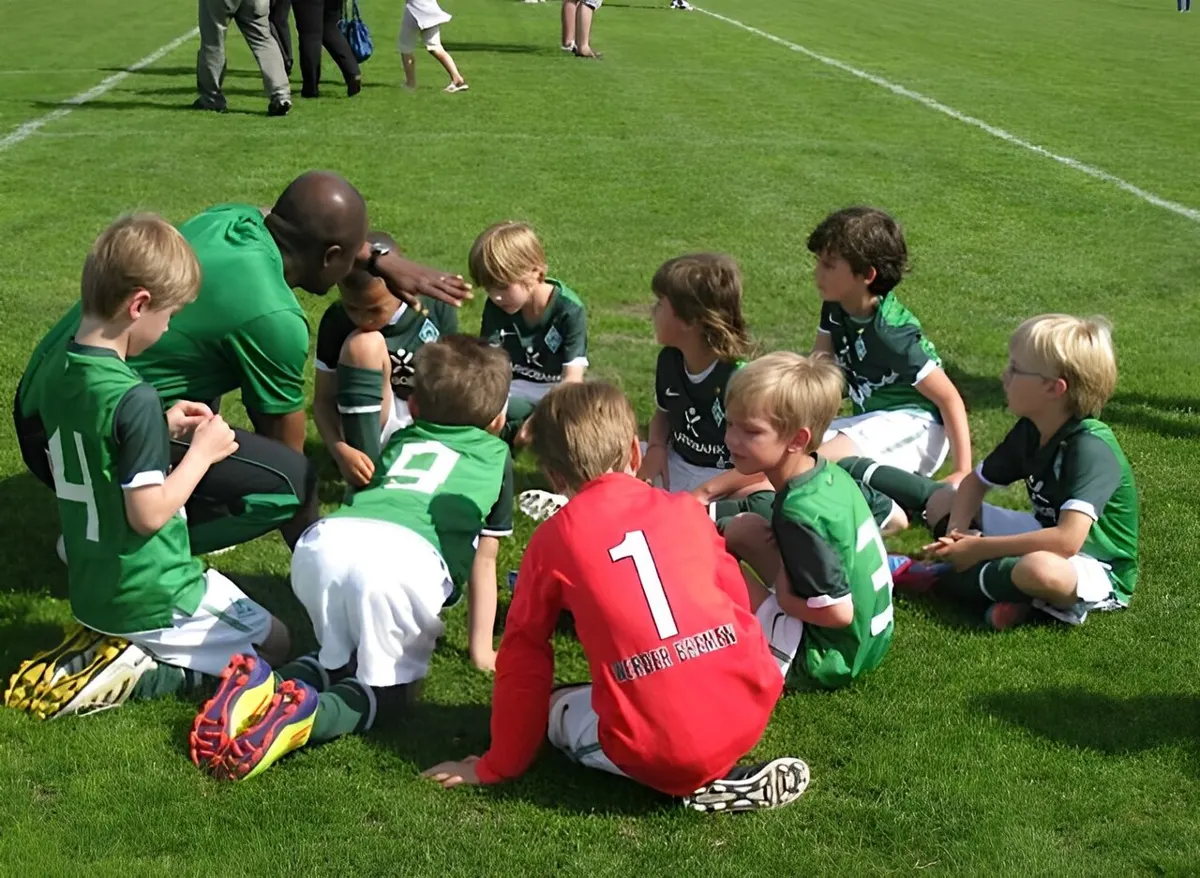
The key difference between the lower and upper licences is the age of the players. SAFA's D Licence manual says the D and C Licences prepare a coach to train children and youths, and that from the B Licence onwards the training is aimed at adult players aged 19 and up.
The same manual mentions extra courses, such as the Futsal and Beach Football licence and the Goalkeeper and Youth Academy Elite courses. They can be taken alongside the main ladder, but they are not required for the next licence.
What the top levels unlock
At the elite end, the rules come from two places. In a statement of 8 November 2023, SAFA said the CAF Coaching Convention had readmitted the association, which allowed South Africa to host the CAF A Licence diploma at home again. In the same statement SAFA said CAF regulations require head coaches in continental club competitions, such as the CAF Champions League and the CAF Confederation Cup, to hold a Pro Licence or a CAF A Licence.
For domestic football, an SABC Sport report of 10 December 2023 said SAFA had approved coaching standards from the 2024/2025 season: a CAF A Licence for Premier Soccer League head coaches and a CAF B Licence for assistant coaches, with the same A and B split reported for the second tier. That comes from a media report rather than a published rulebook, so coaches should confirm the current requirement with SAFA or the PSL before planning a career move around it.
Course dates, fees and entry criteria change from year to year. SAFA publishes its coaching course calendar on safa.net, with a named coaching education contact, and the calendar is the place to check before applying through a local football association or SAFA region. The practical takeaway: start with the D Licence, wait out the eight months, and plan each step against SAFA's current notice rather than an old course list.
Sources
- SAFA.net: safa.net/coaching/
- SAFA D Licence Manual PDF: ugc.production.linktr.ee/1eb56642-0db1-437c-947f-085fb09dd7e2_SAFA-CAF-D-License
- SAFA.net: safa.net/2023/11/08/top-coaches-set-to-begin-their-caf-a-license-diplomas/
- SABC Sport: sabcsport.com/soccer/news/safa-approves-implementation-of-coaching-standards-in-