What began as a stubborn push for the right to play became a disciplined institution that later earned formal recognition from world football's governing body. The story of how political prisoners on Robben Island built it is one of audacity, resilience and pride, and it still shapes how the island's history is told.
How football became a prison institution
From 1964, inmates on Robben Island asked for the right to play soccer during exercise periods. They repeated the request for three years before it was granted, and in 1966 the Makana Football Association, the first sporting body on the island, was born.
The purpose was clear: to give prisoners structure, to sustain a communal spirit, and to win small but significant victories through collective organisation. Rules, committees and competitions carried loyalty, unity and discipline from the field into everyday life under apartheid.
The league they built
The Makana Football Association was run as a fully functioning football body. It adhered strictly to FIFA rules, had referees' and disciplinary committees, and oversaw a network of clubs divided across three divisions. According to the Western Cape Government's Robben Island booklet, the association was active on the island from 1966 to 1990, turning the prison compound into a miniature football federation.
The prisoners took the league seriously: refereeing and discipline were handled through its own committees. That seriousness is exactly what makes the story remarkable. It was not a casual kickabout but an organisation that trained people to run meetings, keep records and settle arguments by the rules.
Recognition, the book and the film
In 2007 FIFA recognised the association. The Western Cape Government booklet describes it as an honorary member of FIFA, while the peace-building organisation ACCORD refers to associate member status; the sources differ on the exact term. The Presidency notes that former inmates who established the league were honoured when FIFA officially recognised their association.
The story reached a wide audience through the book More Than Just a Game by Chuck Korr and Marvin Close, which recounts how the prisoners formed the association and kept their league going for two decades. A feature film of the same name, directed by Junaid Ahmed, was released in 2007.
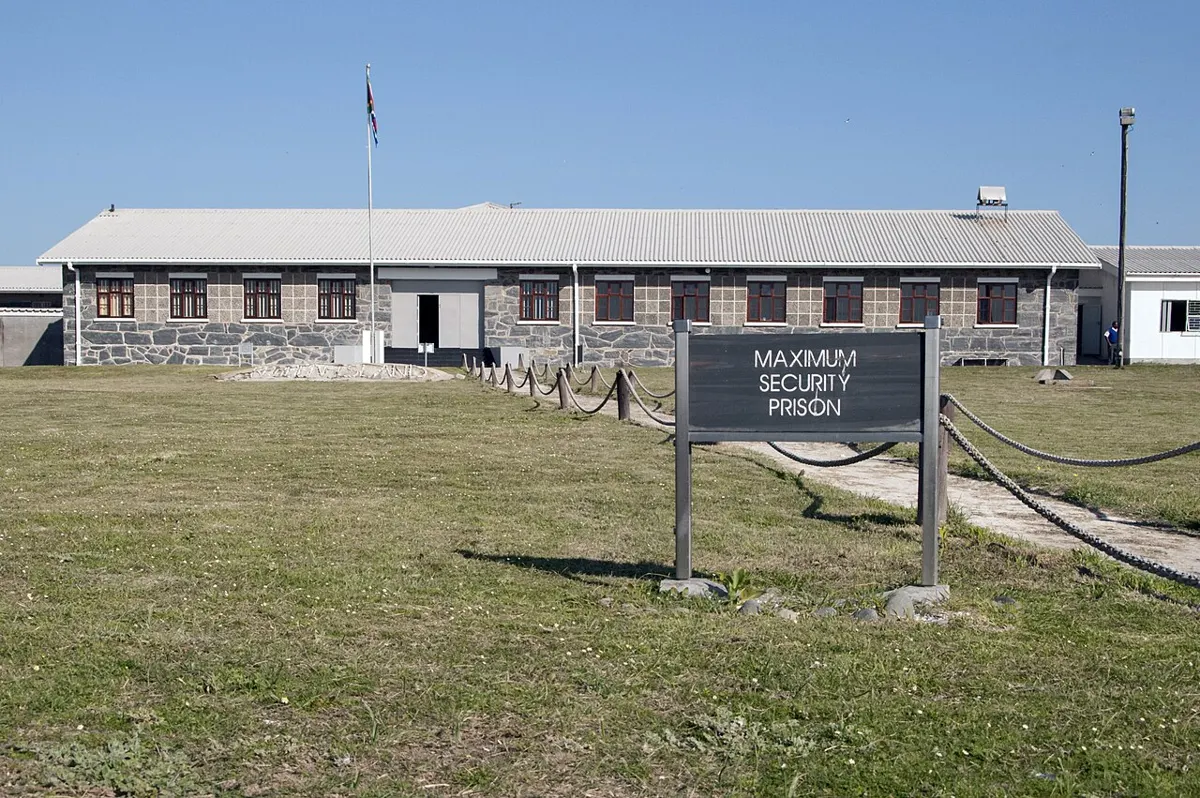
Today Robben Island is a UNESCO World Heritage Site and a museum, and the prison's history is presented to visitors on guided tours run by the Robben Island Museum. Check the museum's own website for current tour times and bookings. The league survives there as a place-memory story: a prison institution that became an officially recognised part of football history.
Sources
- ACCORD: accord.org.za/conflict-trends/more-than-just-a-game-the-makana-football-associat
- LRD Publications: lrdpublications.org.uk/printarticle.php?pub=LR&iss=1494&id=id137297
- Google Play Books listing for More Than Just a Game: play.google.com/store/books/details/Chuck_Korr_More_Than_Just_a_Game?id=baMsUZCR
- Google Books snippet for More Than Just a Game: books.google.tg/books?id=baMsUZCRgqIC