Who owns the venues
Ownership is the first part of the story. In a 2013 country report, the South African government said that, apart from Loftus Versfeld in Tshwane, the 2010 stadiums are owned and managed by the host cities that built or upgraded them. That leaves each municipality to find tenants, events and sponsors to cover running costs.
The busy ones
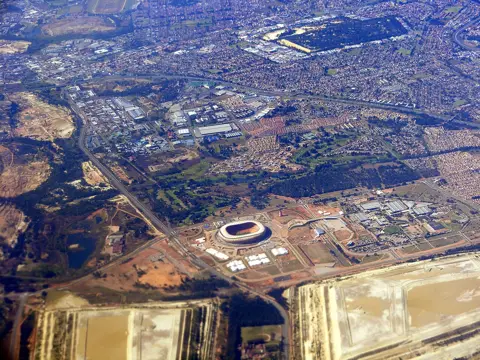
FNB Stadium, the former Soccer City, is government-owned property assigned to the City of Johannesburg on a 99-year lease. Stadium Management South Africa runs it on the city's behalf, together with Orlando, Dobsonville and Rand stadiums. It remains the country's biggest football venue, hosting Bafana Bafana internationals, major club fixtures including Soweto derbies, cup finals, church gatherings, conferences and concerts by international artists.
Cape Town Stadium in Green Point is owned by the City of Cape Town. A municipal entity, Cape Town Stadium (RF) SOC Limited, was set up in 2018 to manage and commercialise it, and in 2019 the city announced a long-term lease with Western Province Rugby starting in 2021. Now known under a sponsor's name, it is home to Western Province and the Stormers, and the city says it is regularly used for conferences, trade shows, film shoots, sport and entertainment. Before the rugby move it was also home to Ajax Cape Town and staged concerts.
Ellis Park in Johannesburg and Loftus Versfeld in Pretoria were existing rugby grounds upgraded for the tournament, and both went back to rugby as their main business: Ellis Park for the Lions and Loftus for the Bulls, with Loftus also used for football. Free State Stadium in Bloemfontein likewise remains a rugby-first venue.
The harder cases
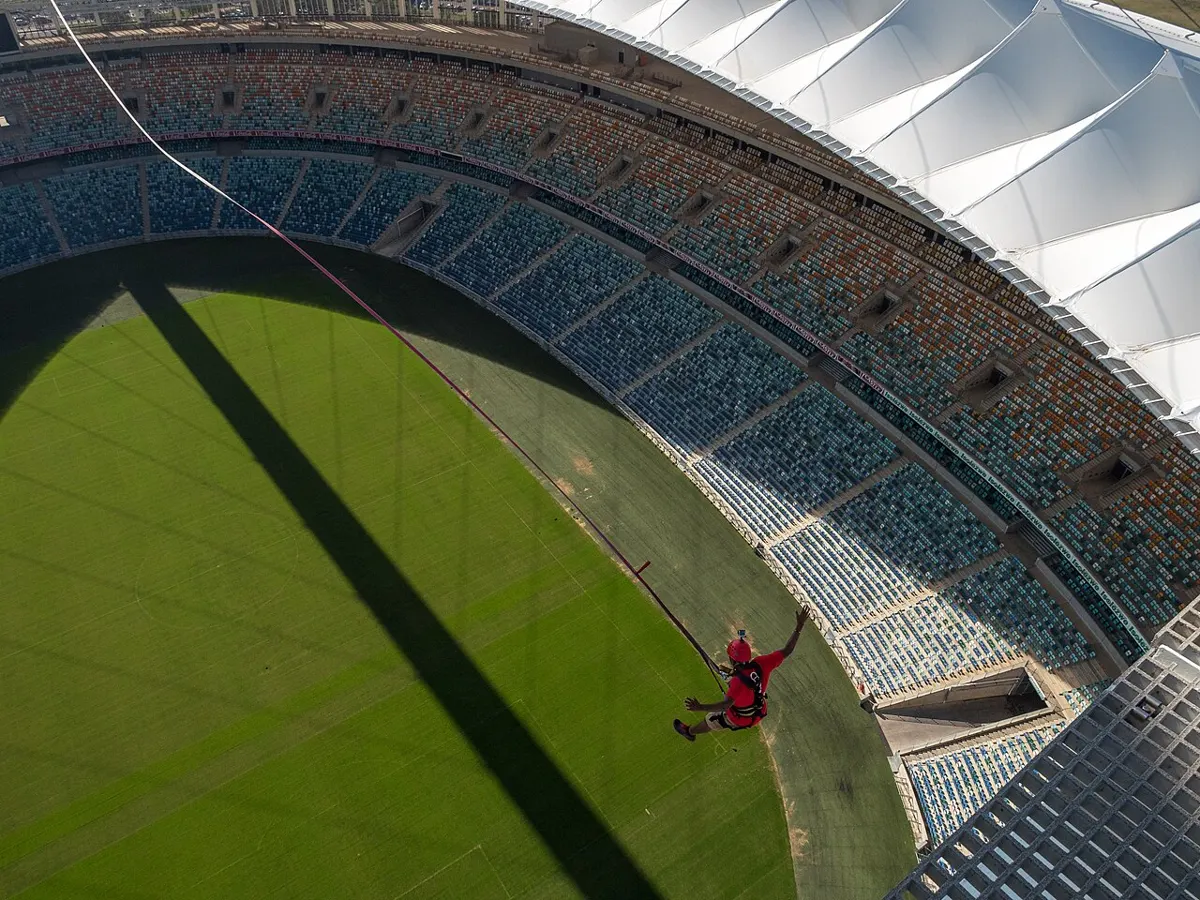
Moses Mabhida Stadium in Durban, with its signature arch, hosts football, rugby tests, concerts and events, and its arch walkway and public spaces draw visitors on non-match days. Nelson Mandela Bay Stadium in Gqeberha hosts football and rugby fixtures and larger events.
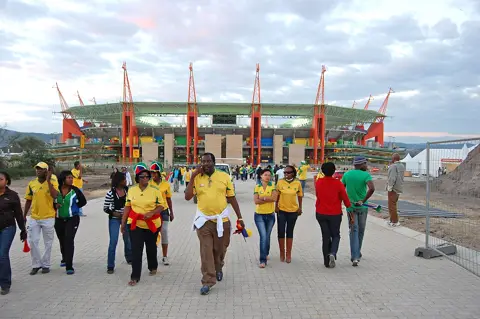
The newly built venues in smaller cities have the toughest time. Mbombela Stadium outside Mbombela, Peter Mokaba Stadium in Polokwane and Royal Bafokeng Stadium near Rustenburg host Premier Soccer League matches from time to time, but they are often cited in debates about the tournament's legacy as grounds with more capacity than their regular crowds can fill. Usage changes with club relocations and event calendars, so current tenants are best checked with the stadium or the host municipality.
The clearest takeaway is that the 2010 legacy splits along a simple line. Venues with an anchor tenant, whether a rugby franchise or a big football calendar, stay in regular use; venues without one depend on occasional matches and events, and their future rests with the cities that own them.
Sources
- Government of South Africa, 2010 FIFA World Cup Country Report: gov.za/sites/default/files/gcis_document/201409/srsacountryreport2013-withcovera
- StadiumDB, World Cup 2010 Stadiums: South Africa: stadiumdb.com/tournaments/world_cup/2010
- City of Cape Town, Annexure 31 Cape Town Stadium: capetown.gov.za/_documents/resource.capetown.gov.za/documentcentre/Documents/Fin
- George Herald report quoting the City’s statement: georgeherald.com/News/Article/Business/cape-town-s-ailing-world-cup-soccer-stadi