Origins in Orlando
Orlando Pirates were established in 1937 in the township of Orlando, Soweto, and were already a household name by the late 1960s. Kaizer Chiefs came later, formed in 1970 by Kaizer Motaung, a former Orlando Pirates player. That shared root is the point of the rivalry: one of the country's biggest clubs was founded by a man who had worn the other's shirt.
The two sides met for the first time on 24 January 1970, in the loser's final of the Rogue Beer Cup. Orlando Pirates won that first derby 6-4, and the rivalry was on. It was a result the Pirates faithful never let the newcomers forget, and one that gave every later meeting an edge of unfinished business.
Why the fixture took off
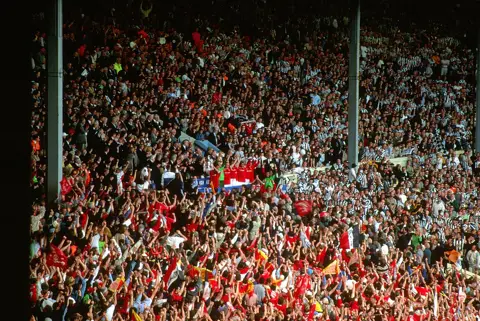
Matches between the pair quickly became a must-see for fans. The emotions ran high from the start, and as the clubs grew into the most widely supported teams in the country, supporters came out in droves. SuperSport describes the derby as one of South Africa's biggest sports events.
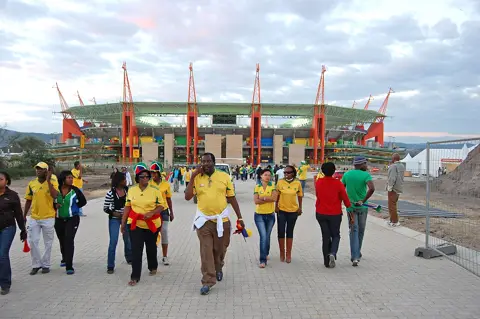
The big Johannesburg stadiums became part of its identity, because few other grounds in the country could hold the crowds the fixture draws. Soccer City, now FNB Stadium, has hosted more Soweto Derbies than any other ground, with 77 matches according to SuperSport's records.
The milestones, however, weren't all joyous. Kaizer Chiefs' own history of the fixture notes that the derby has been abandoned five times over the years, often because of crowd violence.
When the derby became a safety story
The darkest chapter came at Ellis Park in April 2001. Tens of thousands of fans tried to force their way into a stadium that was already full for a Chiefs–Pirates league match, and 43 people died in the crush. ESPN has counted 86 deaths at the clubs' stadia across three separate editions of the fixture, making safety an unavoidable part of the derby's story.
Ellis Park prompted a government commission of inquiry, and the tragedy is still cited whenever ticketing, gate management and crowd control at big matches are discussed. The exact rules that apply today are set by the authorities and the league, and should be checked with them rather than assumed.
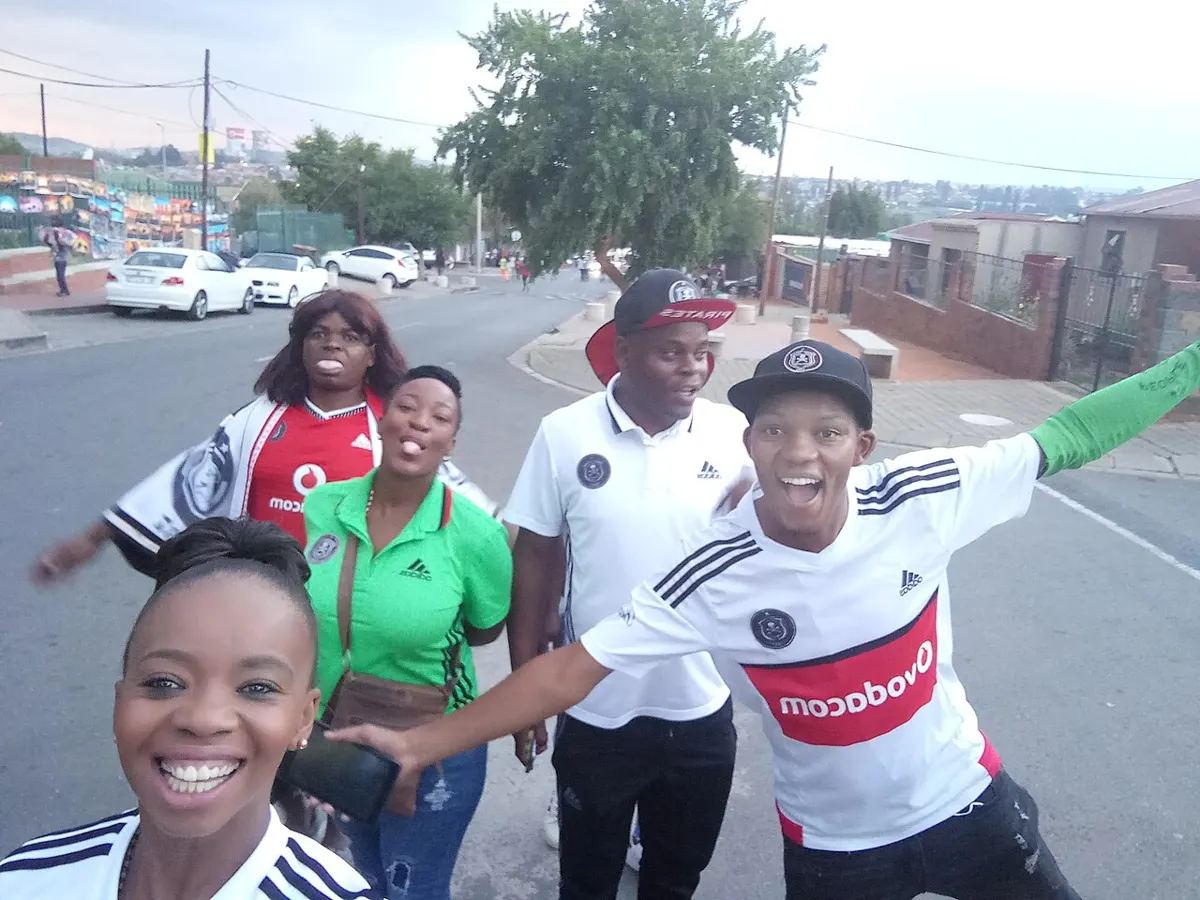
The Soweto Derby has always been a manifestation of the community around it. Families support one side or the other for generations, and on derby day the whole of Soweto seems to pick a colour. It is about more than football: identity, memory, and the safety of the thousands who turn up to watch. That collision between passion and public safety is what makes the fixture impossible to treat as just another match.
Sources
- History of South African Football, “The History of Orlando Pirates Football Club: A Period: historyofsouthafricanfootball.com/the-history-of-orlando-pirates-football-club-a
- Kaizer Chiefs F.C., “Soweto Derby history,”: kaizerchiefs.com/features/soweto-derby-history
- TFG Media, “Soweto showdown,”: tfgmedia.co.za/play/sport/soweto-showdown/
- SuperSport, “SOWETO DERBY: Stats, facts and records,”: supersport.com/rugby/news/6c635caf-ef9e-4366-ac8c-6395924db8a4/soweto-derby-stat